
Hip Pain Physio in Willoughby: Groin, Hip and Lower Back Links


Hip Pain Physio in Willoughby: Groin, Hip and Lower Back Links
If you’re looking for hip physio in Willoughby because pain is affecting walking, sport, sleep, stairs, gym training or simply getting comfortable day to day, this page is for you. At Willoughby Health, our hip pain physio in Willoughby focuses on finding the likely drivers of your symptoms and guiding you through a personalised, evidence‑based plan that may help you move with more confidence over time.
What hip pain is and who it affects
Hip pain can show up in different places. Some people feel it in the side of the hip, some in the groin, and others in the buttock or upper thigh. In some cases, pain that feels like “hip pain” is partly linked to the lower back, pelvis or surrounding muscles.
At our North Willoughby clinic, we see hip pain in a wide range of people, including:
- Runners and field sport athletes
- Gym members and active adults
- Office workers who sit for long periods
- Parents lifting children
- People returning to exercise after time off
- Adults over 50 noticing stiffness, reduced strength or pain with walking and stairs
Because the hip and lower back work closely together, symptoms are not always straightforward. A groin ache when running, stiffness getting out of the car, or side-of-hip pain at night can each point to different patterns. That is why a proper assessment matters.
Common presentations include:
- Groin strains and adductor-related pain
- Gluteal tendon pain, often felt on the outside of the hip
- Hip joint irritation or stiffness
- Hip flexor overload
- Hip pain linked with lower back movement or referred pain
- Age-related changes such as osteoarthritis

Common causes and contributing factors
Hip pain often develops from a mix of load, movement habits, strength, mobility and recovery, rather than one single cause. For people in Willoughby, North Willoughby, Naremburn, Northbridge, Artarmon and Chatswood, symptoms may build gradually or appear after a spike in activity.
Common contributors include:
- A sudden increase in running, gym work, hills or sport
- Repetitive kicking, changing direction or sprinting
- Reduced strength around the hips, trunk and legs
- Prolonged sitting or a recent change in work set-up
- Previous hip, groin or lower back injuries
- Reduced tolerance to impact or longer walks
- Age-related joint and tendon changes
- Lower back stiffness or irritation affecting hip movement
Groin pain, in particular, can be frustrating because it often sits between the hip, pelvis and lower abdominal region. A groin strain physio assessment in Willoughby usually needs to look at the whole picture, not just the painful spot.
It is also worth noting that scans do not always match symptoms perfectly. Some people have age-related changes on imaging without pain, while others have significant symptoms with only minor findings. That is one reason evidence‑based physio in Willoughby starts with a detailed history and physical assessment, not imaging alone.
The link between groin, hip and lower back pain
The hip and lower back are closely connected during walking, bending, lifting, running and sport. When one area becomes stiff, weak or irritated, the other often works differently.
For example:
- Lower back stiffness may change how you squat, lunge or get in and out of a car.
- Hip weakness may place more demand on the lower back during walking or running.
- Groin pain can alter stride length, direction changes and kicking mechanics.
- Pain on the outside of the hip can make side sleeping and stairs more difficult.
This does not mean your pain is “all from the back” or “all from the hip”. It usually means both regions need to be considered as part of the same movement system.
When to see a physio or chiro in Willoughby for hip pain
It is worth booking an assessment if:
- Your hip or groin pain has lasted more than 111–222 weeks
- Walking, stairs, dressing or sleep are becoming difficult
- You cannot train, run or play sport as usual
- Pain is recurring every time you try to return to activity
- You feel weakness, catching, stiffness or reduced confidence loading the leg
- You are unsure whether the pain is coming from the hip, groin or lower back
You should seek prompt medical review if the pain followed a significant fall, you cannot weight-bear, you have severe night pain that is not settling, or you have other concerning symptoms such as fever or unexplained weight loss.
If you are unsure what kind of care is most appropriate, call the clinic or contact us. We can help you decide whether physiotherapy, chiropractic care or another pathway is the right next step.
What happens in a hip pain physio assessment at Willoughby Health
At Willoughby Health, your assessment is one‑on‑one and tailored to your goals. We use private treatment rooms and longer consults so there is time to understand the problem properly.
History and symptom review
We begin by asking about:
- Where you feel the pain, such as groin, side of hip, buttock or lower back
- When it started and whether it came on gradually or after a specific event
- What makes it worse, such as sitting, walking, running, kicking, stairs or side sleeping
- Your work, sport, training and usual activity levels
- Previous injuries, scans or treatment
- What you want to get back to
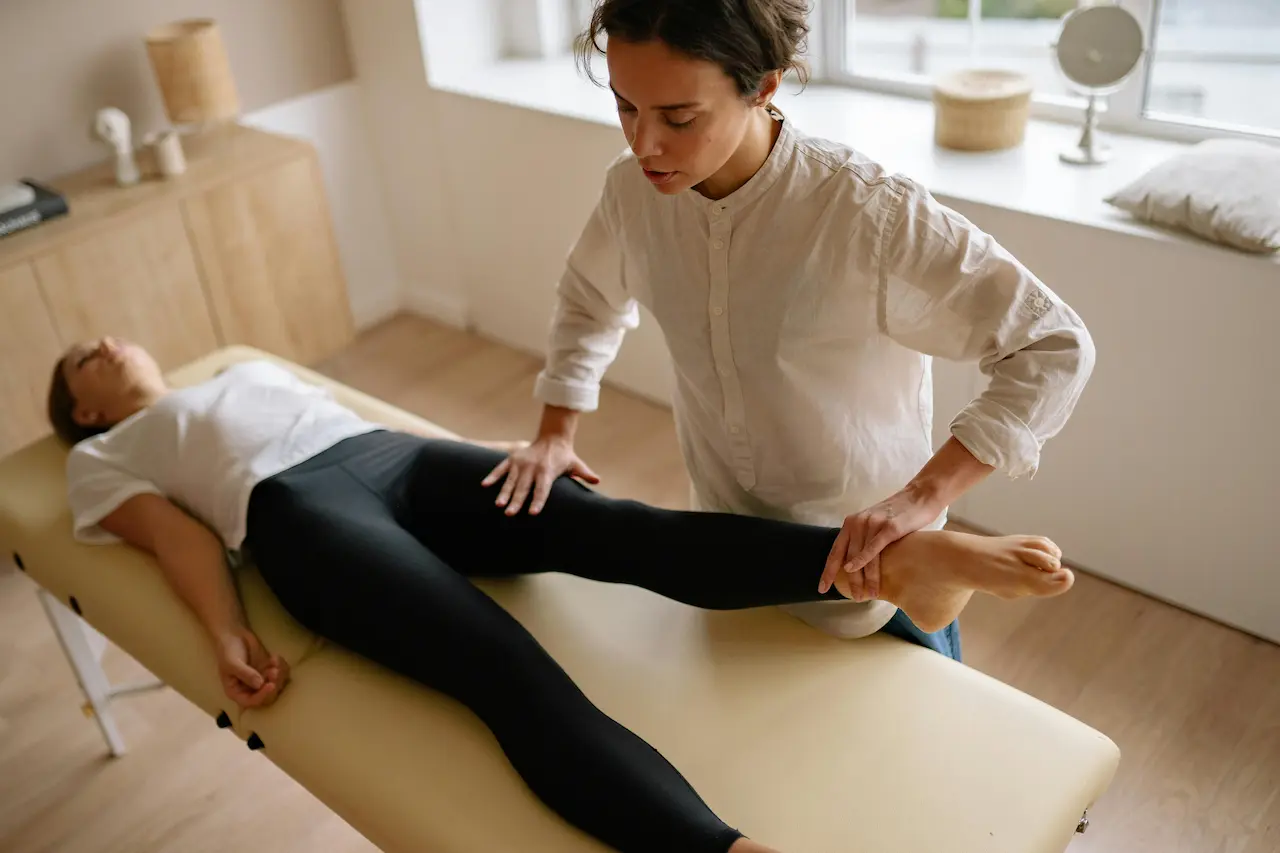
Movement, strength and function testing
We then assess how you move and how the area is coping with load. This may include:
- Hip range of motion
- Lower back movement
- Strength testing for the glutes, adductors, hip flexors and trunk
- Walking, stairs, squatting, lunging or hopping if relevant
- Running or sport-specific movement where appropriate
- Functional tasks related to your goals
The aim is to understand what tissues may be involved, what is provoking symptoms, and what capacities need to improve.
Clear explanation and planning
Once we have the main findings, we explain them in plain English. You will leave with a practical plan, including what to keep doing, what to modify, and what the first stage of rehab looks like.
If you would like clarity on your hip, groin or lower back symptoms, you can book an appointment with our Willoughby team.
Treatment options we may use for hip pain physio in Willoughby
Treatment depends on the diagnosis, how irritable the pain is, your activity level and your goals. Our approach is practical, evidence‑based and tailored, not generic.
Exercise-based rehabilitation
Exercise is often central to hip pain physio in Willoughby. The right exercises can help improve strength, movement confidence and tolerance to daily activity or sport.
Your program may include:
- Hip strength work for the glutes, adductors and hip flexors
- Trunk and pelvic control exercises
- Gradual mobility work where stiffness is a factor
- Balance and single-leg control training
- Return-to-running, gym or sport progressions
For many people, the key is not simply stretching more. It is building capacity in the right areas and progressing load at the right pace.

Load management and activity modification
Short-term changes can help calm symptoms while keeping you active. This may include:
- Reducing running volume, hills or speed for a period
- Modifying deep squats, lunges or impact work
- Adjusting sleep position or sitting time
- Spacing out heavy training sessions
- Using a graded return to sport or exercise plan
This is especially relevant for groin strain physio in Willoughby, where rushing back to sprinting or kicking too early can delay progress.
Manual therapy as part of a broader plan
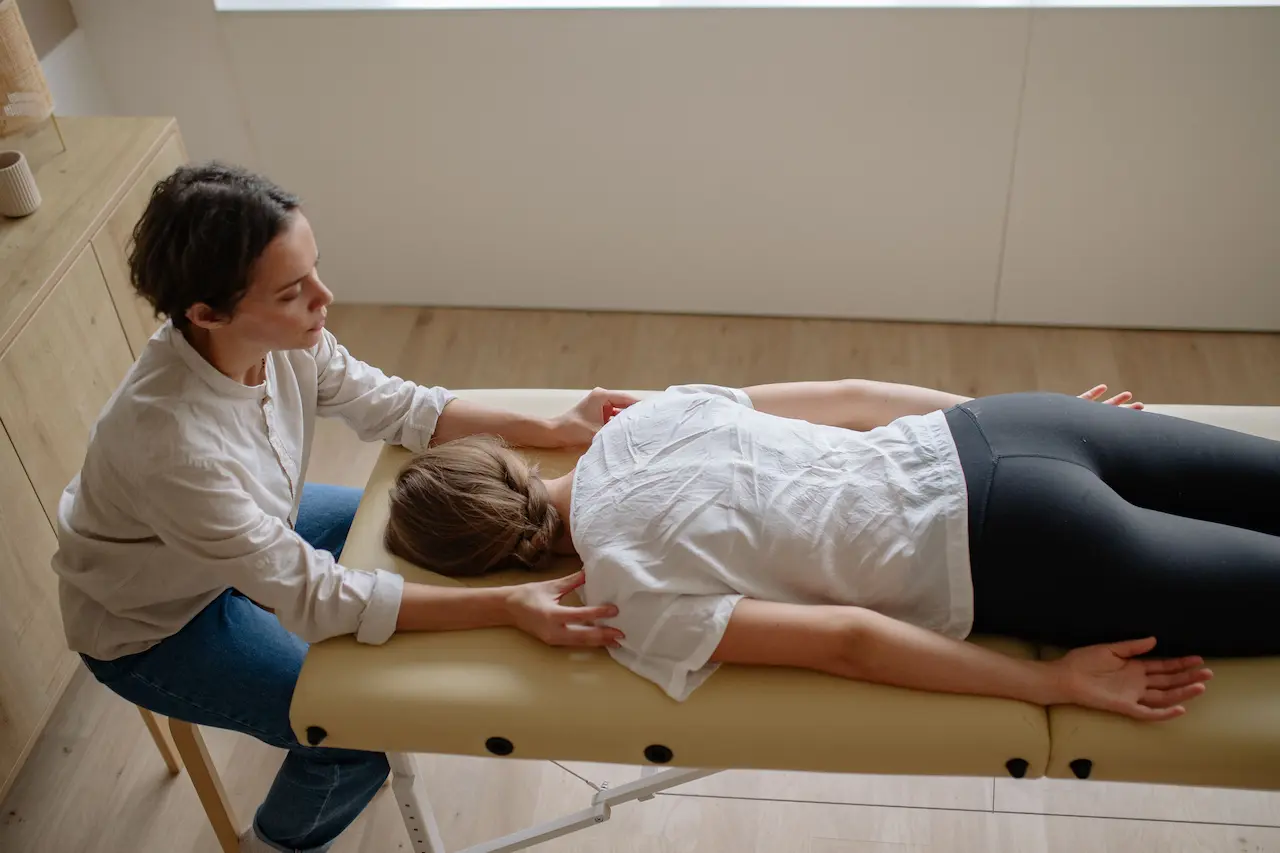
Some people benefit from hands-on treatment to help with pain relief, movement or early-stage comfort. Depending on the presentation, this may include joint mobilisation, soft tissue techniques or guided movement work for the hip, pelvis or lower back.
Where used, manual therapy is part of a broader management plan. It is not presented as a stand-alone fix, and it works best when combined with exercise, education and load management.
Education and self-management
Understanding what is happening often helps reduce fear and confusion. We discuss:
- What your assessment suggests
- Which activities are safe to continue
- How to manage flare-ups
- What level of discomfort may be acceptable during rehab
- How to progress without doing too much too soon

Collaboration when needed
If appropriate, we can communicate with your GP, specialist, trainer or coach. This can be helpful for persistent groin pain, suspected hip joint issues, post-operative rehabilitation, or complex hip and lower back presentations.
If you are ready to start, book an appointment or contact our North Willoughby clinic to discuss your symptoms.
Groin strain physio in Willoughby
Groin pain is common in runners, football players, dancers and anyone doing quick changes of direction. It can also affect active adults after a sudden increase in walking, gym work or sport.
Groin strain physio in Willoughby often involves:
- Identifying whether the pain is coming from the adductors, hip joint, lower abdominal region or a combination
- Settling symptoms while maintaining as much activity as is reasonable
- Rebuilding adductor and hip strength progressively
- Restoring confidence with cutting, sprinting, kicking or longer walks
- Addressing lower back and trunk factors when relevant
Because groin pain can linger if underloaded or overloaded, the balance of rest and rehabilitation matters.
Hip physio for over 50s in Willoughby
Hip pain is not only a sports issue. Many people seek over 505050s physio in Willoughby because they are noticing hip stiffness, reduced walking tolerance, discomfort lying on one side, or more effort with stairs and balance.
In this age group, common goals include:
- Walking more comfortably
- Staying independent and active
- Returning to golf, bowls, gym or regular exercise
- Improving confidence with balance and leg strength
- Managing hip or lower back pain without unnecessary inactivity
Older adult strength physio in Willoughby often focuses on practical function. That may mean improving sit-to-stand strength, stair control, balance, and the ability to carry shopping or keep up with grandchildren. Small, progressive strength gains can make a meaningful difference to day-to-day confidence.
What to expect over time
Recovery timelines vary. The main factors include how long the pain has been present, the specific diagnosis, your activity demands, your general health, sleep, stress and how consistently the plan is followed.
In general:
- Recent overload-related hip or groin pain may settle over several weeks with the right modifications
- Tendon-related pain often improves gradually with progressive loading
- Strength, balance and walking tolerance usually build over time rather than overnight
- Hip pain linked with stiffness or age-related change may need a longer-term management approach
Progress is not always perfectly linear. It is common to have a few flare-ups as activity increases. The goal is to make those flare-ups smaller, less frequent and easier to manage.
Why choose Willoughby Health for Hip Pain Physio in Willoughby: Groin, Hip and Lower Back Links
When hip pain affects how you move, it helps to have enough time and support to work through it properly. At Willoughby Health, our care is built around thorough assessment, clear explanations and practical rehabilitation.
We offer:
- One-on-one care at every appointment
- Longer consults, so there is time to assess the hip, groin and lower back in context
- Private treatment rooms for a more focused and comfortable experience
- Clear explanations in plain English, so you understand what may be going on and why
- Exercise-based rehab tailored to your goals, whether that is walking better, returning to running or improving strength after 50
- A convenient location inside Club Willoughby, with parking that makes visits easier for people from Willoughby, North Willoughby, Naremburn, Northbridge, Artarmon, Chatswood and surrounding North Shore suburbs
We also provide related services that may support your care plan, including physiotherapy, chiropractic care and exercise‑based rehabilitation. Whatever the starting point, the plan is tailored after assessment and adjusted as you progress.
If hip, groin or lower back pain is getting in the way, you can book an appointment, call the clinic, or contact us online to find a suitable time.
FAQs about Hip Pain Physio in Willoughby
Can hip pain actually come from the lower back?
Yes, sometimes pain felt in the hip or buttock is influenced by the lower back. That is why we assess both areas, especially if symptoms change with bending, sitting or standing. In many cases, the hip and lower back are both part of the picture.
Do I need a scan before seeing a hip physio?
Usually, no. A detailed assessment often provides enough information to begin management safely and appropriately. If imaging appears useful based on your history or examination, we can discuss that with you and liaise with your GP if needed.
What does groin strain physio involve?
Groin strain physio usually includes assessing the source of the pain, modifying aggravating activity, and gradually rebuilding adductor and hip strength. For sporting injuries, rehab often progresses to running, cutting, kicking or change-of-direction drills as appropriate.
Is exercise safe if I have hip pain?
In many cases, yes. The key is choosing the right type and amount of exercise for your current stage. A tailored program is usually more helpful than complete rest or pushing through pain without a plan.
Can physio help hip pain in older adults?
Physiotherapy can be helpful for many older adults with hip pain, stiffness or reduced confidence with walking and stairs. Older adult strength physio in Willoughby often focuses on improving leg strength, balance, mobility and everyday function in a gradual, realistic way.
Next steps
If hip or groin pain is limiting your walking, running, work or daily activities, organising an assessment can be a useful first step. An individualised plan with one of our physios may help you understand your condition, adjust activity and develop an appropriate exercise program over time. If your pain is sudden and severe, follows a fall, or is associated with systemic symptoms such as fever or unexplained weight loss, please seek prompt advice from your GP or local emergency department. For ongoing or gradually worsening hip or groin symptoms, booking with a qualified clinician at Wiloughby Health can provide tailored guidance on suitable next steps.



Ready to book an appointment with us?
Visit our Online Bookings page where you can see what times are available and book appointments with all our great Physiotherapists, Chiropractors, and Exercise Physiologists in Willoughby. You can also find us and book appointments via HotDoc and HealthEngine.
Rather speak to someone? Simply give us a call on 02 9190 7588 and our friendly receptionists can help you find a time that suits, and answer any questions you might have.


