
Back Pain Physio in Willoughby: Causes, Assessment and Treatment


If you are in Willoughby, North Willoughby or nearby North Shore suburbs and dealing with back pain that is affecting work, exercise, sleep or daily movement, this page is for you. At Willoughby Health, our back pain physio Willoughby team provides one-on-one assessment, clear explanations and tailored treatment plans that may help you manage symptoms, move more comfortably and build confidence over time.
Back pain is common, but that does not mean it should be ignored or managed with guesswork alone. If you have been searching for back pain physio Willoughby, lower back pain physio Willoughby or practical advice for ongoing stiffness, flare-ups or referred leg pain, our team offers evidence-based care in North Willoughby with a strong focus on education and exercise-based rehab.

What back pain is and who it affects
Back pain is a broad term that can describe discomfort, stiffness, aching or sharp pain in the lower back, upper buttock area or sometimes the mid-back. For many people, the most disruptive symptoms are in the lower back, which is why searches for lower back pain physio Willoughby are so common.
Back pain can affect:
- Office workers who sit for long hours.
- Parents lifting children, prams or shopping.
- Tradies and manual workers doing repeated bending or lifting.
- Gym-goers and runners increasing training too quickly.
- Older adults who want to stay active and independent.
- People recovering from previous injuries or repeated flare-ups.
At Willoughby Health, we regularly see people from Willoughby, Northbridge, Naremburn, Artarmon and Chatswood whose back pain is interfering with everyday life. Some come in after a sudden strain. Others have had recurring or chronic back pain for months and want a clearer plan.
Back pain does not always mean there is serious damage. In many cases, it reflects a mix of tissue irritation, sensitivity, reduced conditioning, load changes and movement patterns rather than one single structural problem. That is one reason a proper assessment matters.
Common causes and contributing factors in lower back pain
There is rarely one simple cause of back pain. Often, symptoms build up because several factors come together at once.
Common contributing factors include:
- Sudden lifting, twisting or awkward movements.
- Long periods of sitting, especially with low movement variety.
- A recent increase in gym, running or sport load.
- Reduced strength or conditioning after time off.
- Repeated bending, lifting or carrying at work.
- Poor sleep, high stress or low recovery.
- Previous back pain episodes.
- General deconditioning or low activity levels.
- Feeling unsure about movement, leading to guarding and stiffness.
For some people, a desk worker back pain physio Willoughby approach is especially relevant. Long hours at a computer can contribute to stiffness, reduced movement tolerance and soreness that builds across the day. It is usually not just about posture in a simple good-versus-bad sense. More often, the issue is staying in one position for too long without enough variation, movement or physical capacity to handle the demands of the day.
Sciatica and referred leg pain
Some people with lower back pain also feel pain, tingling, burning or numbness into the buttock or leg. This is often described as sciatica, although not all leg pain is true sciatica.
Sciatica treatment Willoughby plans usually start with identifying whether symptoms seem to involve irritation of the sciatic nerve or another source of referred pain. The pattern matters, because treatment is guided by the person’s symptoms, movement response and function rather than the label alone.
Bulging discs and imaging findings
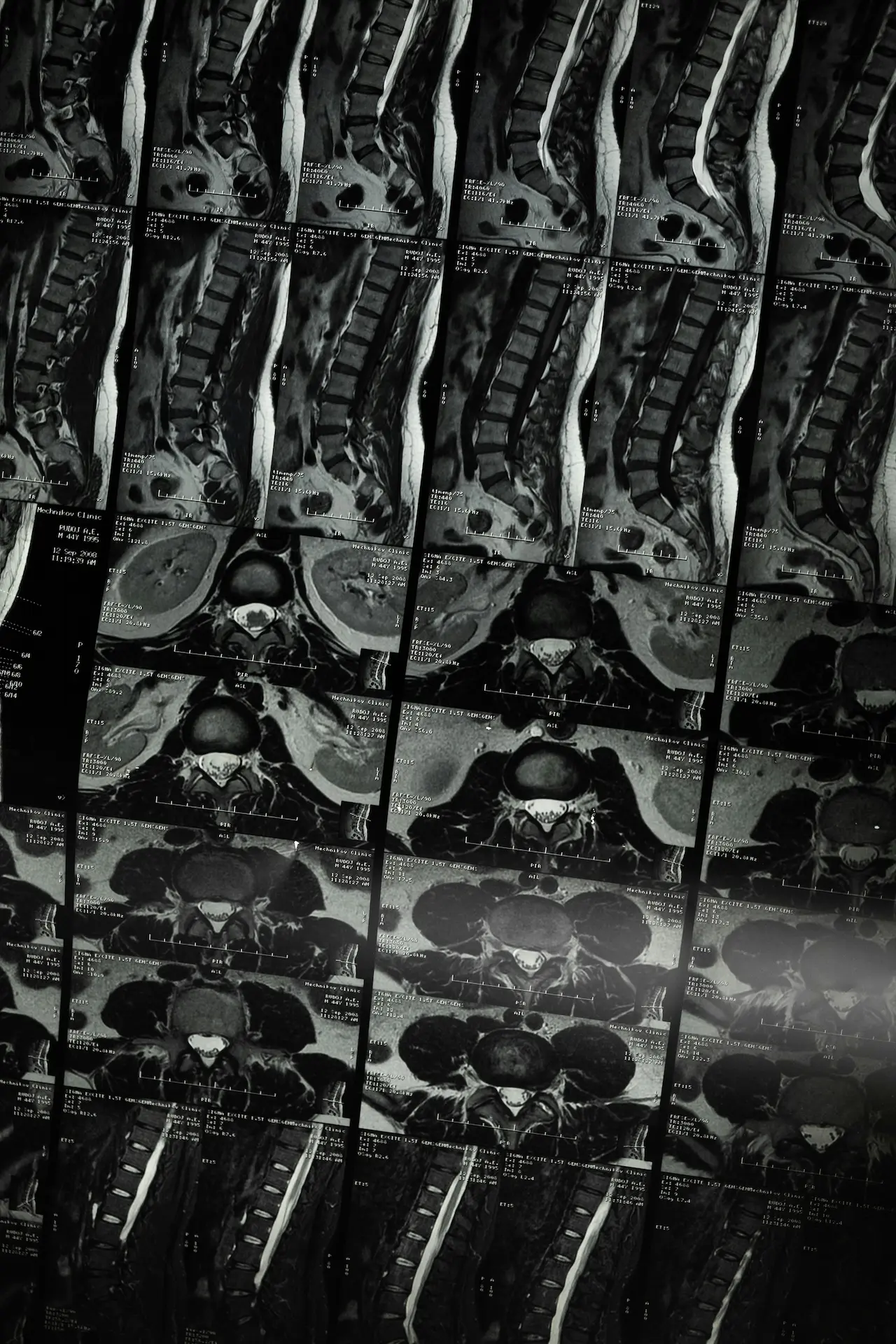
People often worry when scans mention a bulging disc. A bulging disc treatment Willoughby physio approach should always be based on symptoms and function, not just the scan report.
Disc bulges are common, including in people without pain. In some cases, a disc may be relevant to symptoms. In others, it may be an incidental finding. Assessment helps work out what is most likely contributing to your pain and which movements, positions and exercises are likely to be useful.
When to see a physio for back pain in Willoughby
Many episodes of back pain improve with time, but it can be worth seeing a physiotherapist earlier if symptoms are not settling, keep coming back or are affecting your ability to function normally.
You may benefit from seeing a lower back pain physio Willoughby clinician if:
- Pain has lasted more than a few days and is not improving as expected.
- You are struggling to sit, stand, bend, walk or sleep comfortably.
- You keep getting the same flare-up.
- Pain is affecting work, sport, gym or daily tasks.
- You have pain travelling into the buttock or leg.
- You want help returning to activity without overdoing it.
- You are unsure whether to rest, stretch, keep moving or seek further advice.
In some cases, chiropractic care may also be relevant as part of broader musculoskeletal management, depending on your presentation and preferences. At Willoughby Health, we can help guide you towards the most appropriate service for your needs.
If you want a clear assessment and a realistic plan, you can book an appointment, call the clinic or contact us to discuss what has been going on.
What happens during a back pain physio assessment in Willoughby
Good back pain care starts with understanding the person, not just the painful area. Our appointments are one-on-one and designed to give you time for a proper assessment.
Your history
We begin by asking about your symptoms, how they started, what makes them better or worse, and how they affect work, sleep, sport and daily life. We also ask about previous episodes, medical history, current activity levels and what you want to get back to.
This part of the assessment often provides important clues. For example, a runner from Artarmon with a recent increase in training load may need a different plan from an office worker in Chatswood with stiffness after prolonged sitting, or a parent in Northbridge whose back pain flared after repeated lifting.
Movement and physical testing
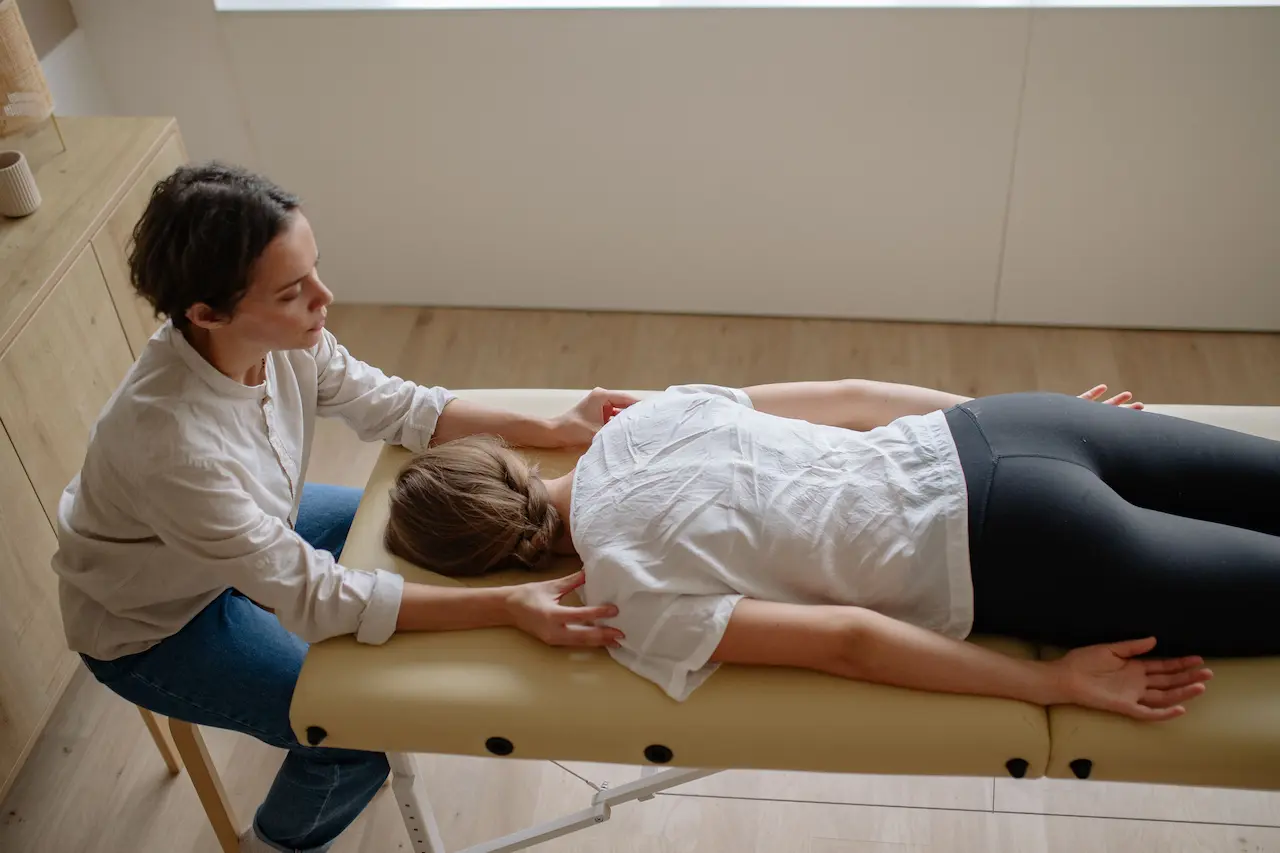
Your physiotherapist will usually assess how you bend, reach, sit, stand, walk and perform relevant functional movements. We may check spinal movement, hip mobility, strength, balance, nerve sensitivity and how your symptoms respond to different positions or repeated movements.
If you have leg symptoms, we may also assess whether the nervous system appears to be involved. If your pain is more persistent, we look at broader factors as well, including confidence with movement, activity tolerance and the demands placed on your body.
Explaining what we find
After the assessment, we explain the likely contributors to your back pain in plain English. We outline what we think is happening, what is less likely, what type of management may help, and what you can do straight away.
Our aim is not to overload you with jargon. It is to give you a clearer understanding of your symptoms and a practical next step.
If you are looking for back pain physio Willoughby care that includes time, explanation and a tailored plan, book an appointment or call the clinic today.
Treatment options we may use for back pain
Treatment at Willoughby Health is tailored after assessment. We do not rely on a one-size-fits-all method, and we do not present any single technique as a stand-alone fix.
Exercise-based rehab
Exercise-based rehab is a core part of many back pain treatment plans. Depending on your needs, this may include:
- Gentle mobility work.
- Trunk and hip strengthening.
- Control and stability exercises.
- Walking or graded activity programs.
- Return-to-gym or return-to-running progressions.
- Functional lifting and movement practice.
For chronic back pain physio Willoughby care, exercise often plays an especially important role. The goal is not just short-term symptom relief. It is to improve your capacity so your back can tolerate work, life and activity more confidently.
Manual therapy
Hands-on treatment may be used where appropriate as part of a broader plan. This can include joint mobilisation, soft tissue techniques or other manual therapy approaches to help reduce pain, improve movement and make it easier to progress with active rehab.
Manual therapy is usually most useful when paired with education and exercise. It can be a helpful tool, but it is not the whole treatment plan.

Education and load management
A big part of back pain treatment is understanding how to pace activity. Load management means matching what your back is doing with what it can currently tolerate.
That may include:
- Modifying aggravating tasks for a short period.
- Breaking up long periods of sitting.
- Adjusting gym or sporting loads.
- Gradually reintroducing bending, lifting or walking.
- Building confidence with movement rather than avoiding it completely.
This is particularly important for desk worker back pain physio Willoughby care, where small changes to movement breaks, work habits and exercise routine can make a meaningful difference over time.
Management for sciatica or disc-related presentations
If your symptoms resemble sciatica or appear disc-related, management may include specific movement strategies, symptom-guided exercise, activity modification and gradual progression back to normal tasks. The right plan depends on how irritable the symptoms are, whether pain is improving, and how your leg symptoms behave during assessment.
Bulging disc treatment Willoughby physio care is not about chasing the scan finding. It is about working with your presentation, reducing aggravation, restoring function and gradually building tolerance to daily movement and activity.
Collaboration with other health professionals
Sometimes the best approach is collaborative. Depending on your situation, we may work alongside our chiropractic team, your GP, a specialist, trainer or another health professional.
This can be useful for persistent pain, more complex sciatica presentations, work-related back pain or return-to-sport planning. The focus is on coordinated care and practical decision-making.
If you would like tailored treatment options rather than generic advice, contact us, call the clinic or book an appointment with our Willoughby team.
What to expect over time
Back pain recovery is not always linear. Some people improve quickly over a few weeks. Others need a longer, more gradual plan, especially if symptoms have been present for months or keep recurring.
Factors that can influence progress include:
- How long the symptoms have been there.
- Whether pain is local or travels into the leg.
- Your work, sport and family demands.
- Your current strength and activity tolerance.
- Sleep, stress and general recovery.
- Previous back pain episodes.
- How consistently the plan can be followed.
With chronic back pain physio Willoughby cases, it is common to work on both symptom management and rebuilding confidence with movement. Improvement might mean being able to sit longer, walk more comfortably, return to the gym, lift with less fear, or have fewer flare-ups over time.
We review and adjust care based on how you respond. Results vary between individuals, so treatment is always tailored rather than assumed.

Why choose Willoughby Health for Back Pain Physio in Willoughby: Causes, Assessment and Treatment
If you are comparing local options for back pain physio in Willoughby, the clinic environment and treatment approach matter. Many people want more than a quick appointment and general advice to rest.
At Willoughby Health, we focus on:
- One-on-one care, so your session is centred on your symptoms, goals and progress.
- Longer consults, allowing time for thorough assessment, explanation and planning.
- Private treatment rooms, which offer a more comfortable setting for discussing symptoms and movement concerns.
- Clear explanations, so you understand what may be contributing to your lower back pain and why certain strategies are recommended.
- Exercise-based rehab, helping you build strength, movement confidence and tolerance over time.
- A collaborative approach, with physiotherapy, chiropractic care and referral pathways where appropriate.
- A convenient location at Club Willoughby on Penshurst Street, with straightforward parking for people from Willoughby, North Willoughby, Naremburn, Northbridge, Artarmon and Chatswood.
Our approach suits people who want realistic, evidence-based care without hype or pressure. If you are ready to get clarity around your back pain, you are welcome to book an appointment, call the clinic or contact us to ask a question.
FAQs about Back Pain Physio in Willoughby: Causes, Assessment and Treatment in Willoughby
Do I need a referral to see a back pain physio in Willoughby?
No, most people can book directly with a physiotherapist without a referral. If you have back pain, lower back pain or leg symptoms, you can contact the clinic and arrange an appointment. If your presentation suggests another review may also be useful, we can discuss that after assessment.
Can physio help with sciatica treatment in Willoughby?
Physiotherapy can be helpful for many people with sciatica or sciatica-like symptoms, but the right plan depends on the source and severity of symptoms. Assessment helps determine whether the pain pattern appears nerve-related and what movements or activities may be appropriate. Treatment usually includes education, symptom-guided exercise and gradual return to activity.
What if my scan says I have a bulging disc?
A scan finding does not always explain the full picture. Many people have disc bulges on imaging without pain, while others do have symptoms that may relate to a disc. A bulging disc treatment Willoughby physio plan should be based on your pain pattern, movement response and function, not the scan alone.
Is physio useful for chronic back pain?
Yes, chronic back pain physio Willoughby care can be helpful for many people, especially when it includes education, graded exercise and a plan that matches the person’s daily demands. Persistent pain often needs a broader approach than short-term rest or passive treatment alone. Progress is usually gradual and individual.
Can you help with desk worker back pain in Willoughby?
Yes. Desk-based work commonly contributes to stiffness, reduced movement tolerance and lower back discomfort. A desk worker back pain physio Willoughby plan may include movement advice, load management, strength work and practical strategies to break up sitting during the day.
Is your clinic convenient for nearby North Shore suburbs?
Yes. Willoughby Health is located in North Willoughby at Shop 3/253 Penshurst Street inside the Club Willoughby precinct. We are easy to access for people living or working in Willoughby, Northbridge, Naremburn, Artarmon, Chatswood and nearby North Shore suburbs.



Ready to book an appointment with us?
Visit our Online Bookings page where you can see what times are available and book appointments with all our great Physiotherapists, Chiropractors, and Exercise Physiologists in Willoughby. You can also find us and book appointments via HotDoc and HealthEngine.
Rather speak to someone? Simply give us a call on 02 9190 7588 and our friendly receptionists can help you find a time that suits, and answer any questions you might have.


